Switzerland is the heartland of mechanical horology. From the Jura valleys to Geneva and the Vallée de Joux, generations of artisans turned long winters into a craft of extraordinary precision, and 'Swiss Made' became a global byword for quality.
Its houses span the full spectrum — from accessible quartz to haute horlogerie, where tourbillons and perpetual calendars are built by hand over hundreds of hours.
A closer look: why Switzerland leads
Swiss watchmaking grew out of hardship. When Geneva's Calvinist reforms curbed the jewellery trade in the sixteenth century, goldsmiths turned to watch cases; in the Jura mountains to the north, farming families spent the long snowbound winters assembling movement parts by hand. This établissage system — hundreds of specialists each perfecting a single component — is why the country ended up with unmatched depth in every discipline, from hairsprings to enamel dials.
The geography still maps onto the industry. Geneva remains the address for the grandest names — Patek Philippe, Vacheron Constantin, Rolex — and for the Poinçon de Genève, a hallmark certifying both origin and finishing. The Vallée de Joux, a remote high valley, is the historic cradle of complications: Audemars Piguet, Jaeger-LeCoultre and the most demanding Patek grand complications were built there. Biel/Bienne and the wider Jura arc handle everything in between, from ETA's industrial movements to one-person workshops.
At the summit sit the ‘holy trinity’ — Patek Philippe, Audemars Piguet and Vacheron Constantin — houses whose perpetual calendars and minute repeaters can take a single watchmaker months to complete. But Swiss horology is a full spectrum, not only haute horlogerie: the same country makes Swatch's plastic quartz, Tissot and Longines at the accessible end, and Omega and Rolex in the heavily engineered middle.
That range exists because the industry nearly died. In the 1970s, cheap and accurate Japanese quartz collapsed Swiss exports and employment; that it survived at all is a business story as much as a horological one. The rescue came when Nicolas Hayek merged the two failing giants into what became the Swatch Group and used the runaway success of the low-cost Swatch, launched in 1983, to bankroll the revival of mechanical watchmaking as a luxury craft rather than a mass necessity.
‘Swiss Made’ is now a legal claim, not a slogan: since 2017, at least sixty percent of a watch's manufacturing cost, its movement, and its technical development must be Swiss. Backed by COSC chronometer certification and a supply chain no other country has fully replicated, Switzerland still sets the benchmark everyone else is measured against — which is exactly why the makers below are worth knowing individually.
Switzerland’s own watch & clock makers, linked to their official websites.
We don’t list private dealers. Use Google’s AI Mode search to find Switzerland’s prominent retailers and boutiques for imported brands — directly and on your own judgement.
Relevant Associations
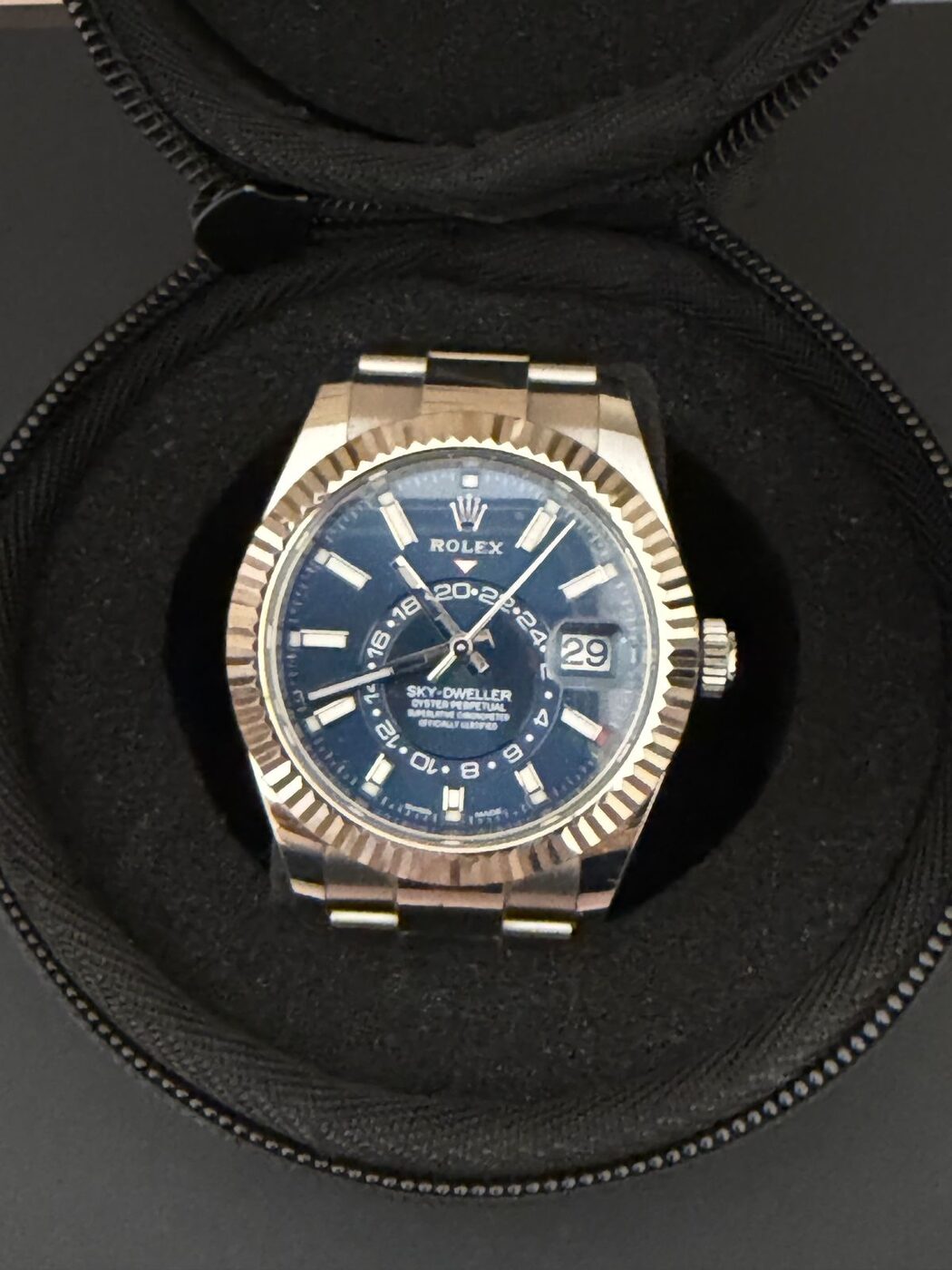
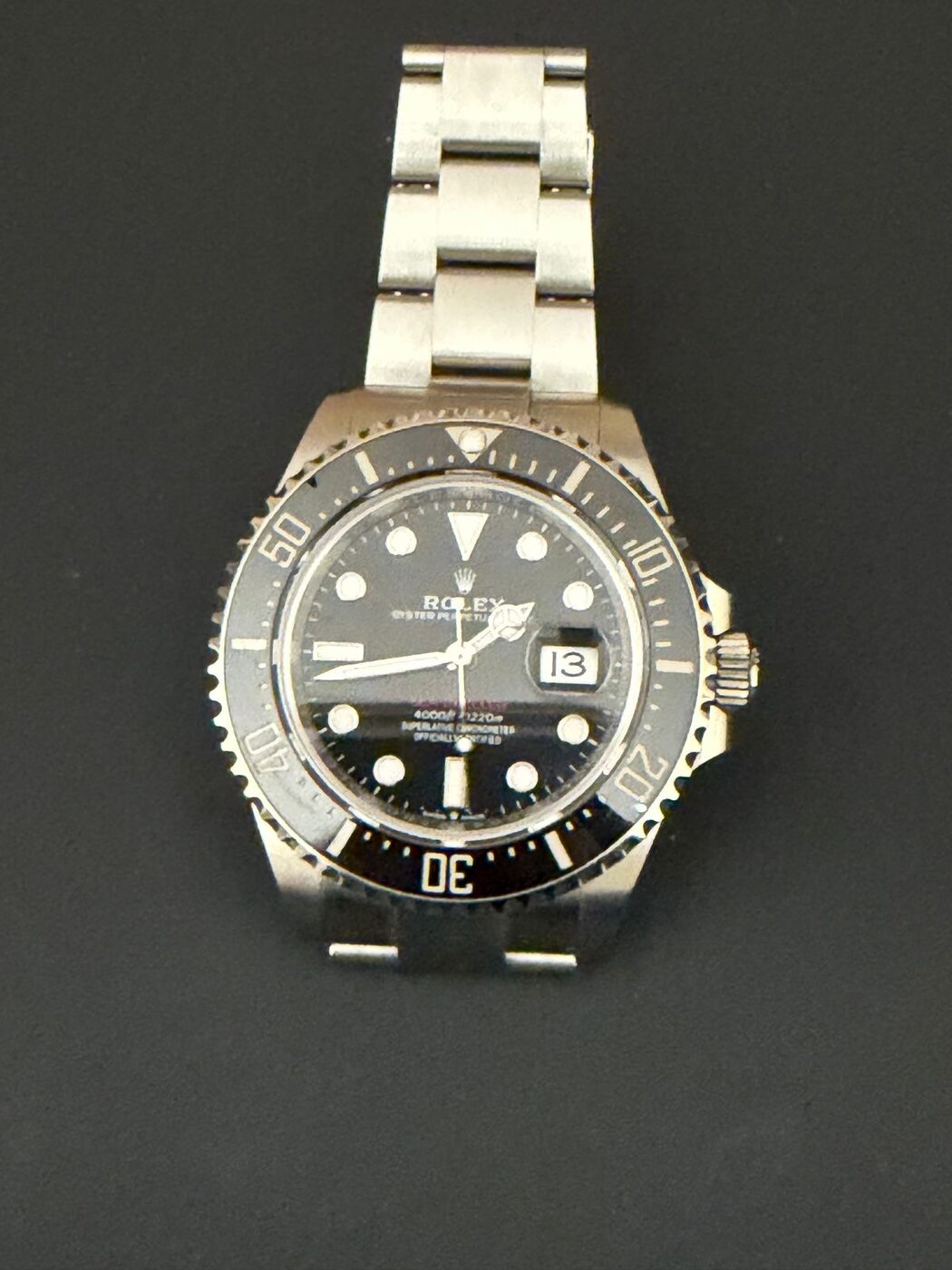
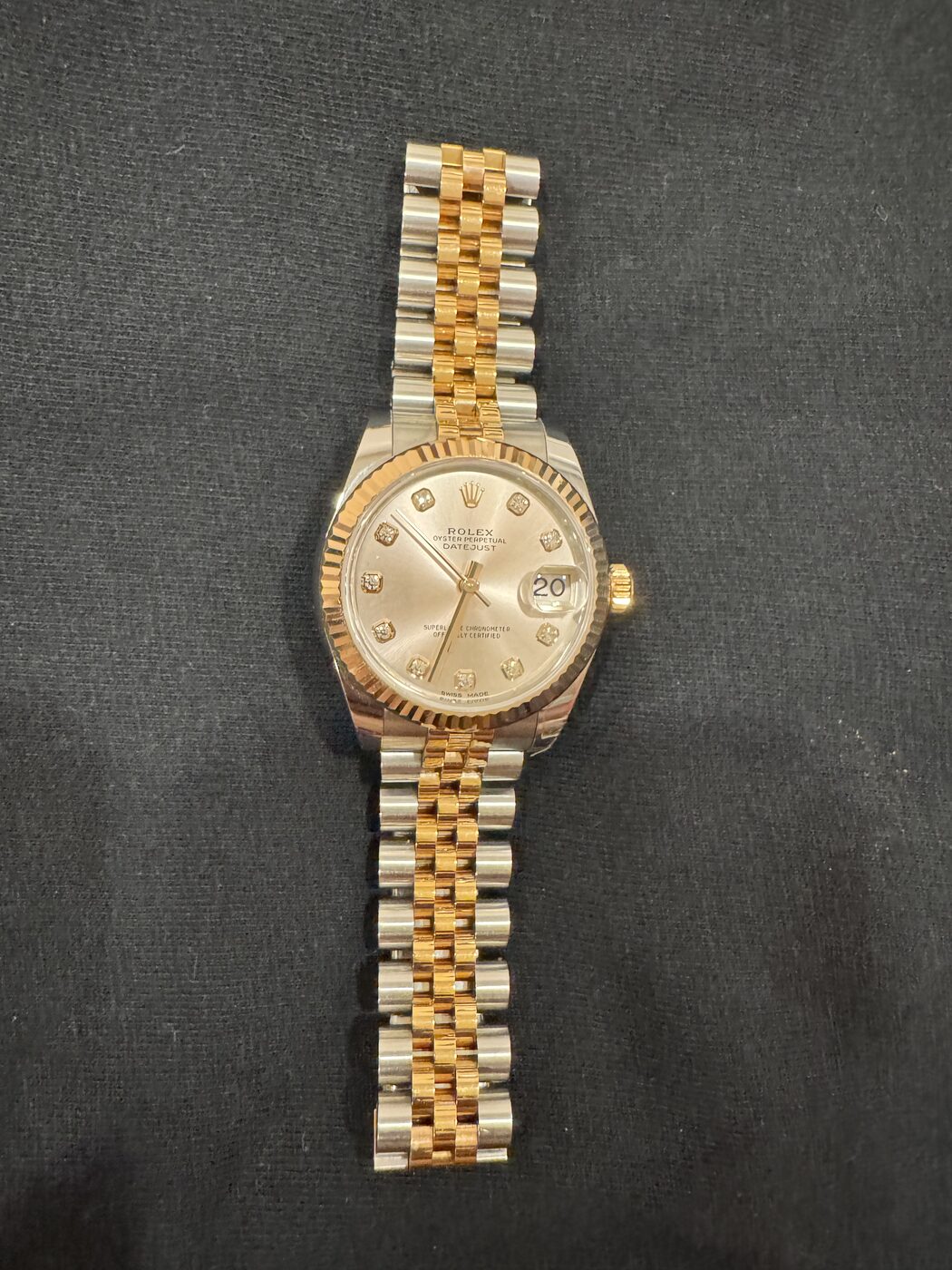
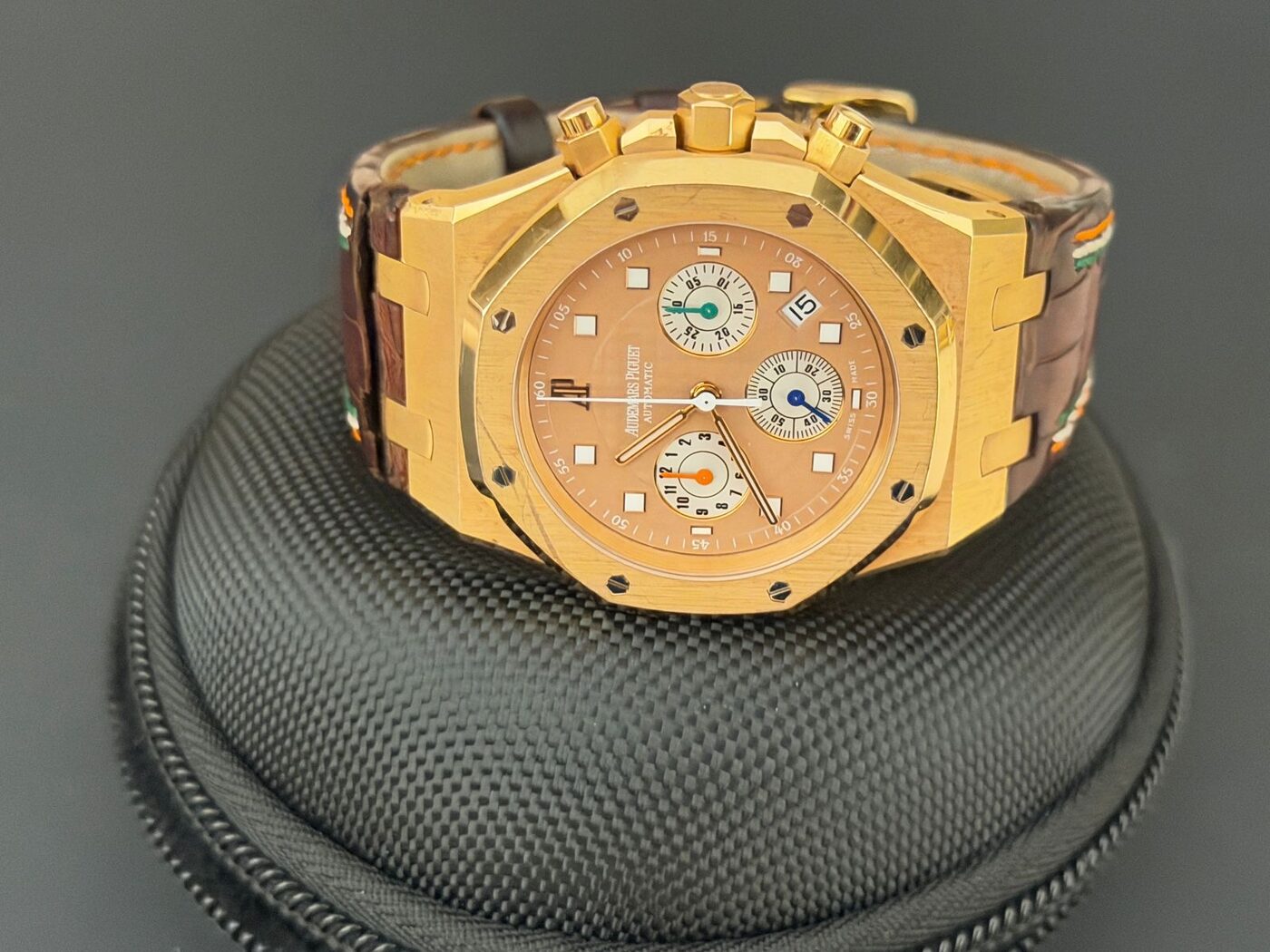
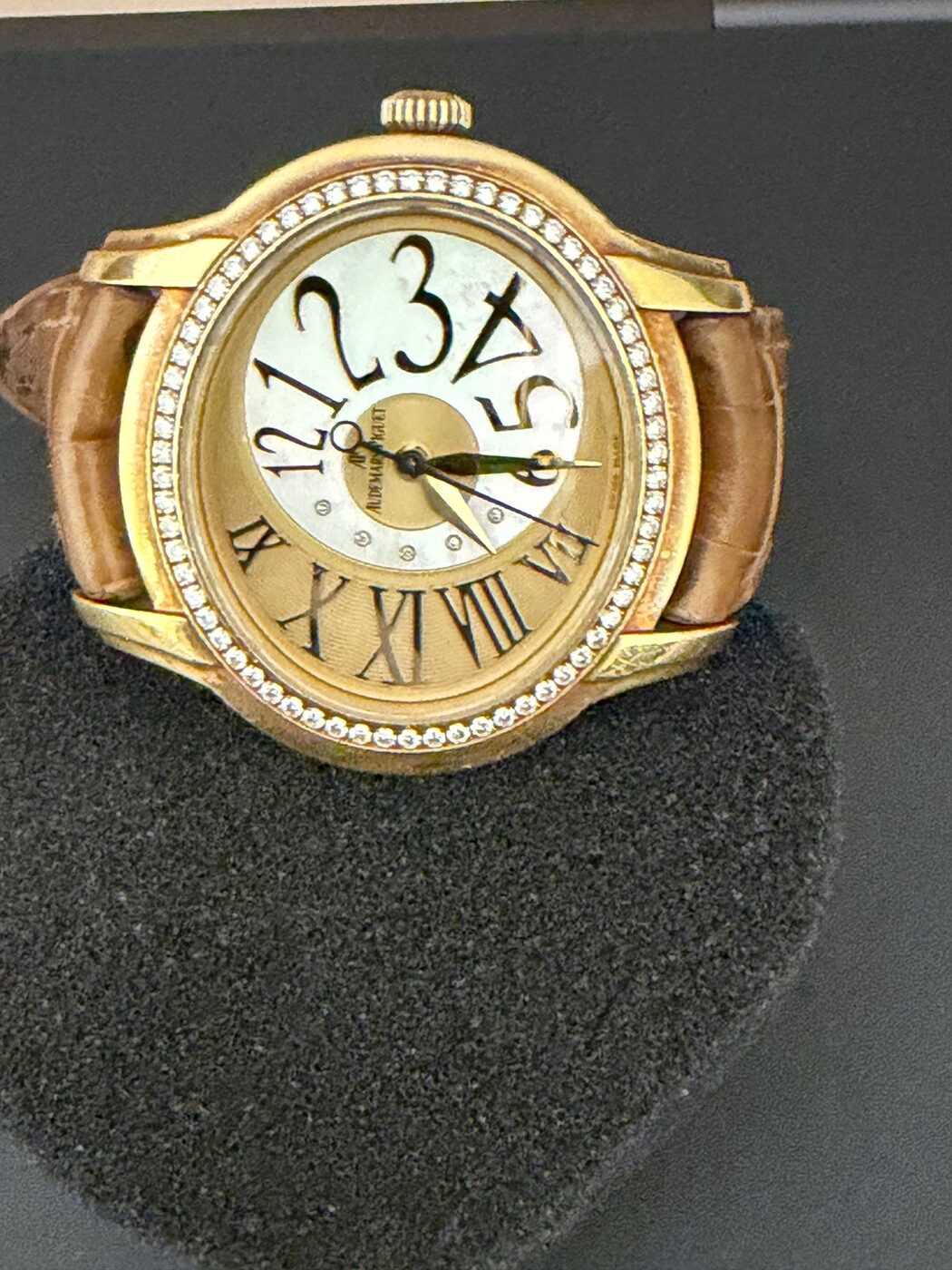
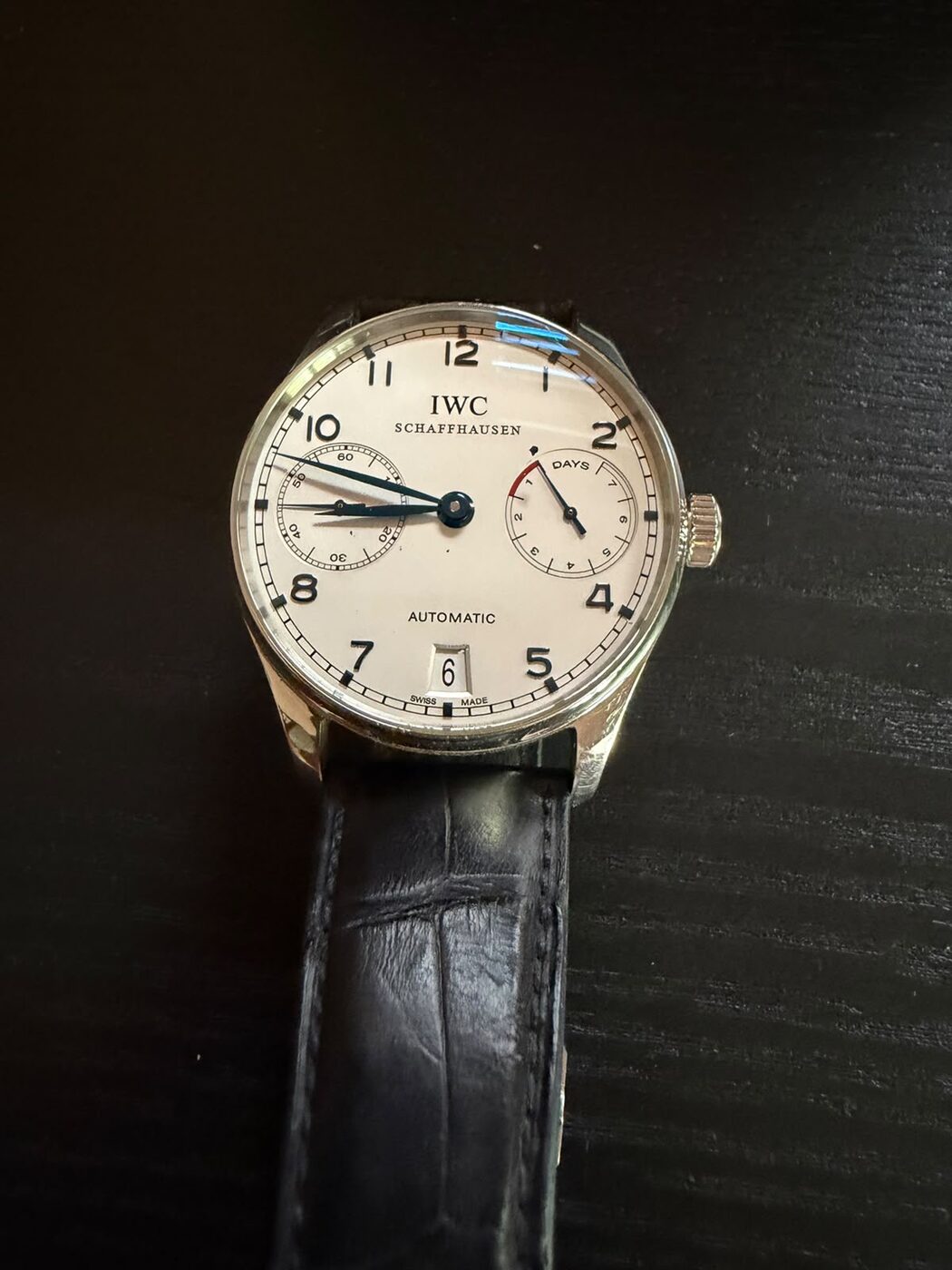
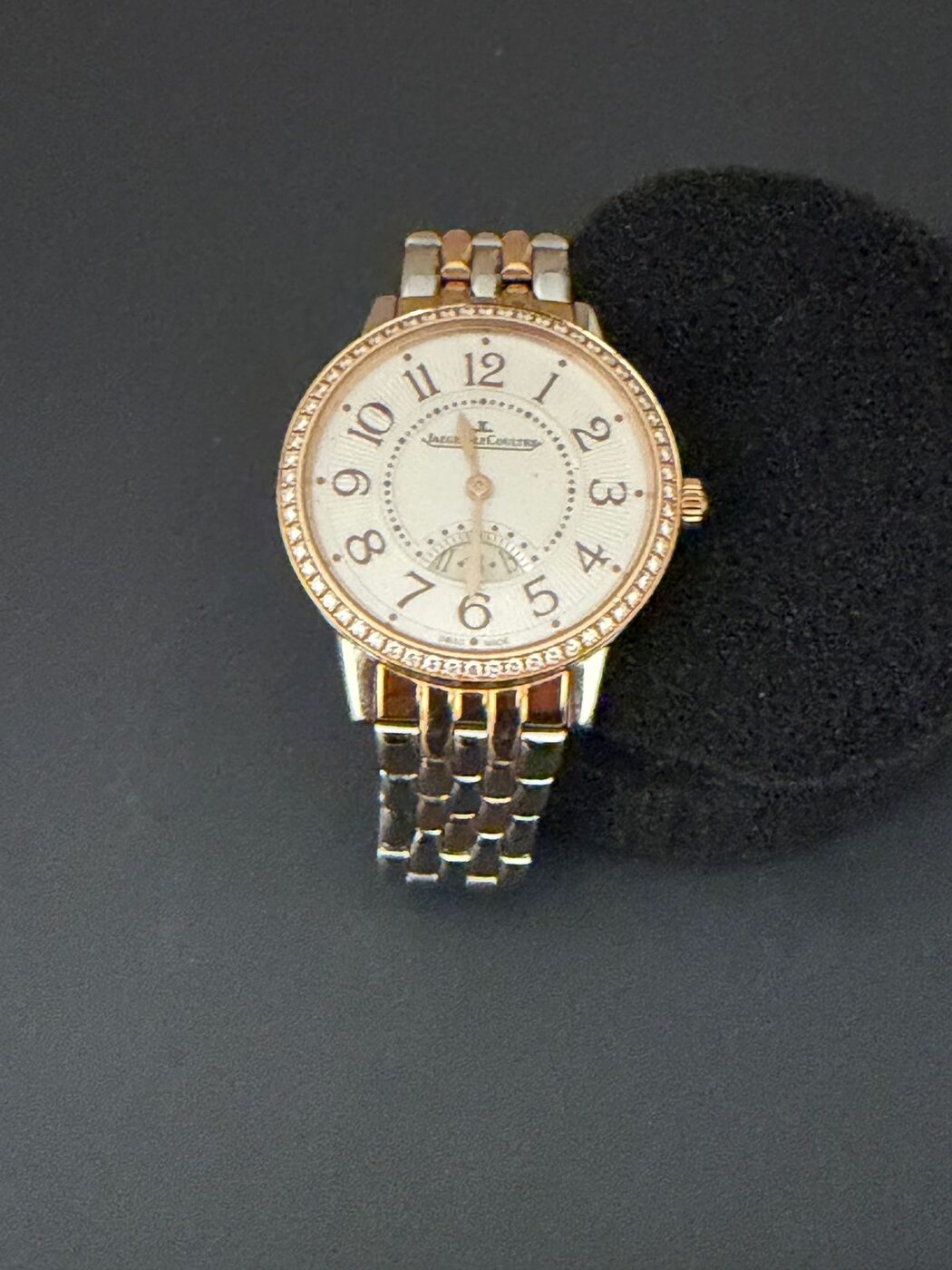
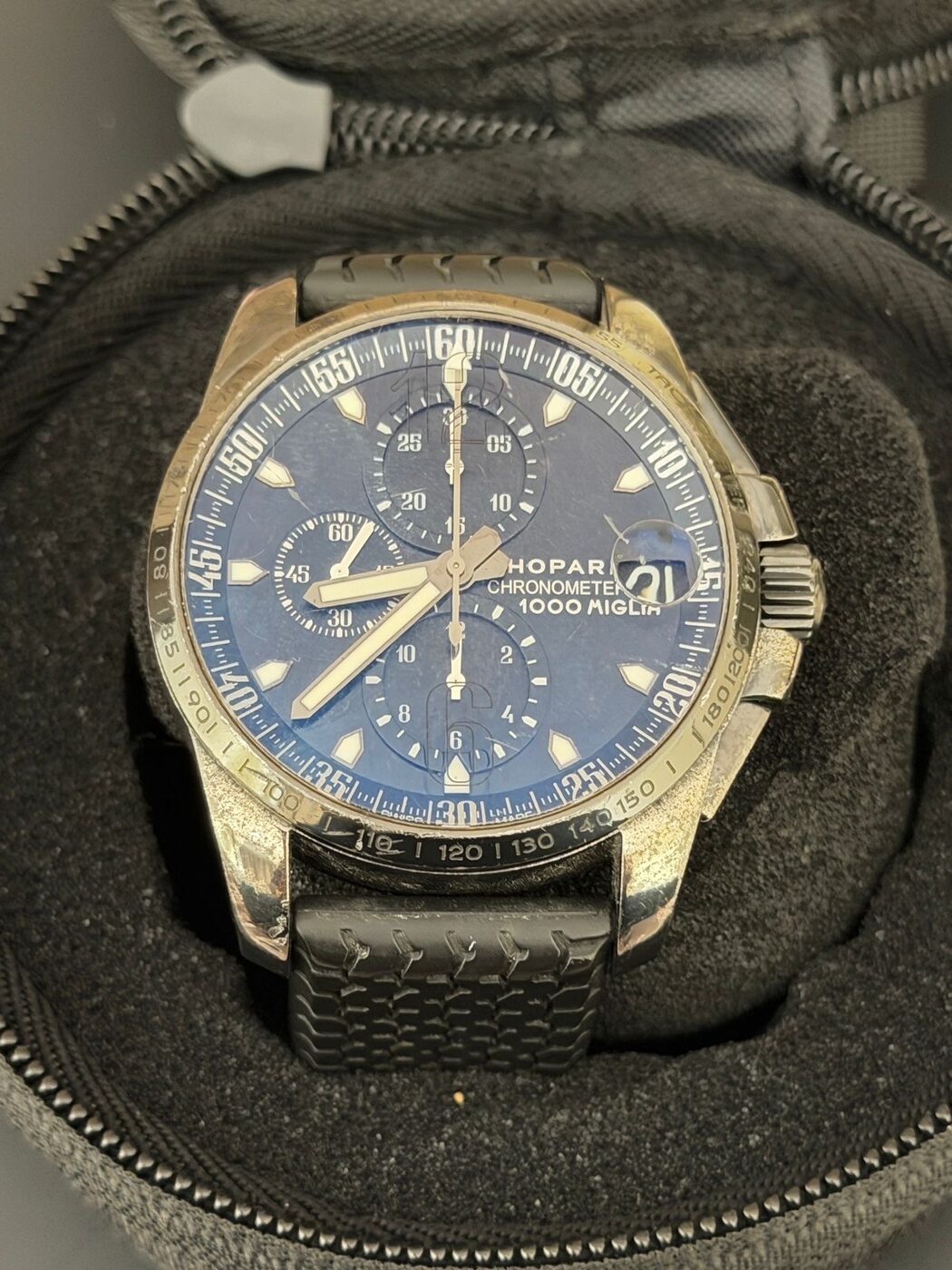
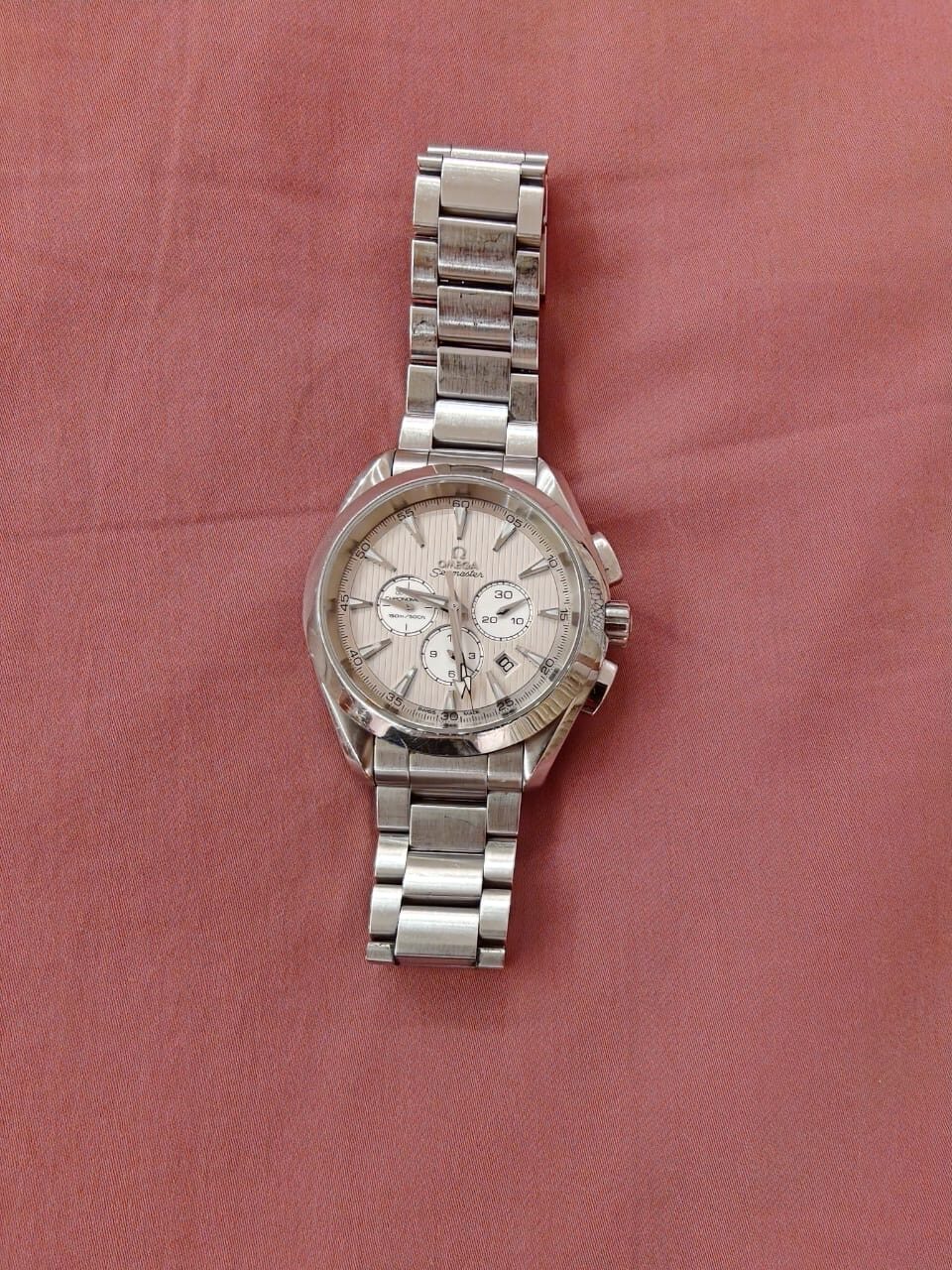
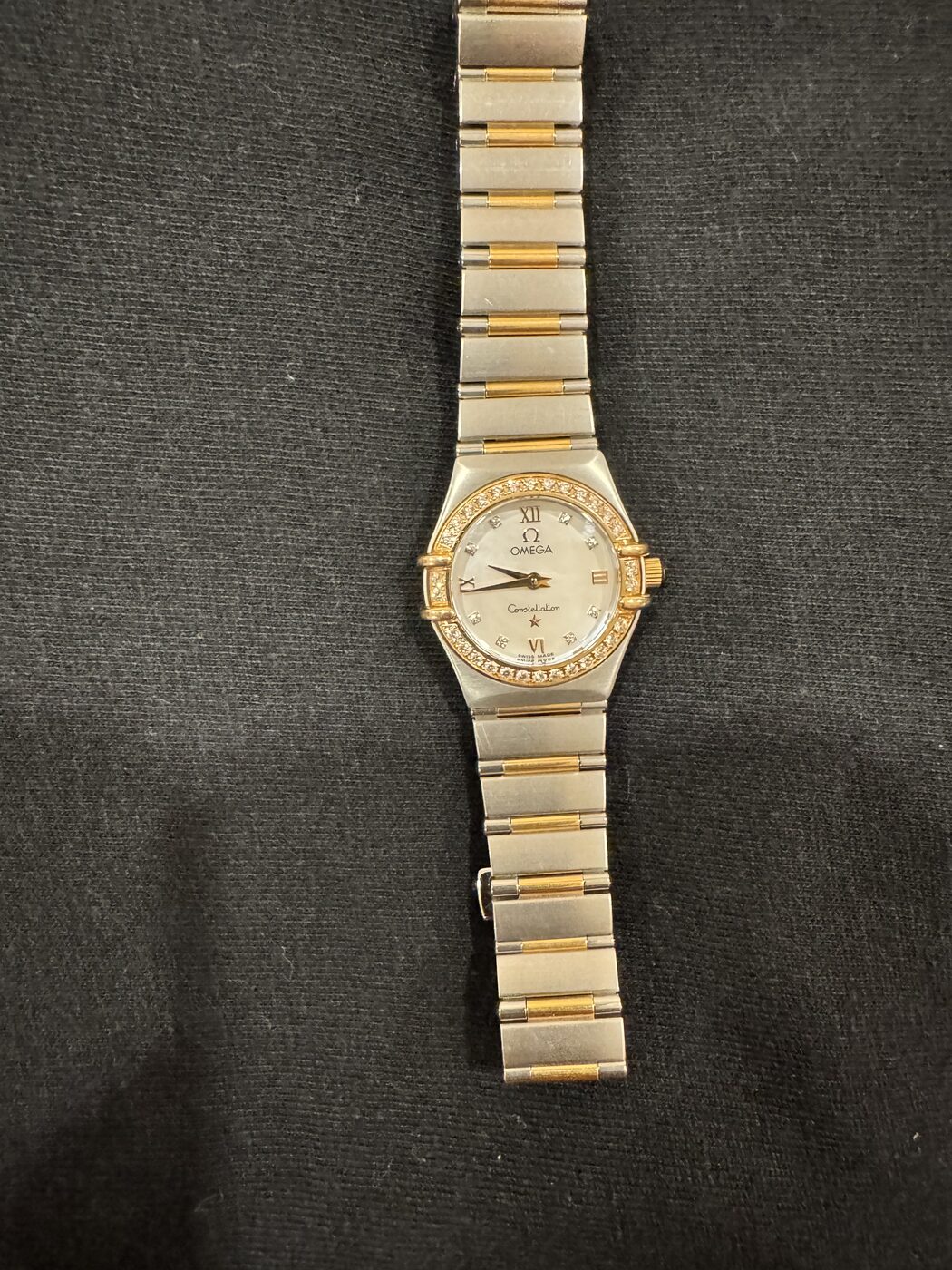
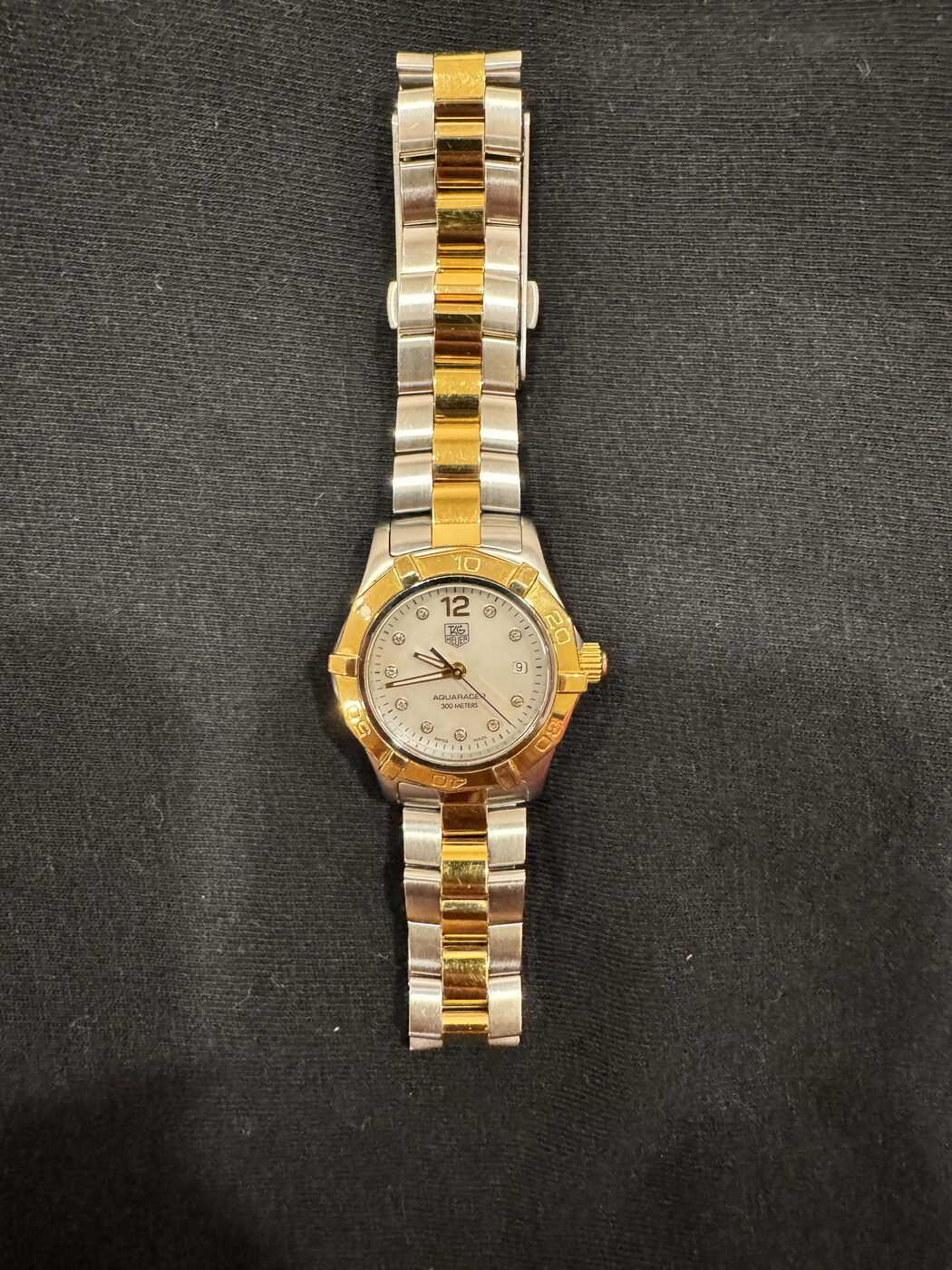
Unless otherwise stated, the watch photographs in this gallery are original photographs taken by Ghadis.com or of watches from a private collection. All trademarks and brand names belong to their respective owners. Ghadis.com is an independent informational website and is not affiliated with or endorsed by any manufacturer.
Notice & Disclaimer
Ghadis.com is a free, independent informational directory of the world of watches and clocks. We are not affiliated with, endorsed by, or representing any brand, manufacturer, retailer or dealer. All brand names and trademarks belong to their respective owners and are used for descriptive purposes only. Ghadis.com is also not affiliated with any brand bearing the same or a similar name in any other product category. Links in the Manufacturers section point to brands’ own official websites; we hold no inventory and sell nothing. Independent dealers and retailers are not listed or linked — they are discovered only through public Google Search, so visitors reach sources directly and on their own judgement. Direct links are otherwise given only to recognised, non-commercial horological associations. Verify all details with official sources. This service operates as an intermediary under Section 79 of the Information Technology Act, 2000 (India). For corrections, additions or removal requests, contact bk@aibk.in.